The United States government depends on investors to purchase Treasury securities. These investors include banks, financial institutions, pension funds, individuals, and foreign governments. They lend money to the federal government because Treasury securities have traditionally been regarded as dependable investments.
That confidence matters.
When investors believe the United States will continue paying interest and repaying principal as promised, they are willing to lend money at relatively moderate interest rates. If confidence weakens, investors may demand higher interest rates as compensation for greater perceived risk.
Higher rates would immediately make federal borrowing more expensive.
The effect could become especially serious because the government must continually issue new Treasury securities and refinance debt that reaches maturity. If new borrowing occurs at substantially higher rates, federal interest costs can rise rapidly.
Those interest payments must come from the federal budget.
More money devoted to interest means fewer resources available for Social Security, Medicare, defense, infrastructure, research, and other national priorities unless Congress raises additional revenue or borrows even more money.
More borrowing can create another problem. Additional debt produces additional interest expenses. If investors become increasingly concerned about the direction of federal finances, they may demand still higher rates. The result could place the government under intense financial pressure.
A severe loss of confidence could also reach beyond federal finances.
Treasury securities play an important role throughout financial markets. A major disruption could affect borrowing costs, investment values, retirement accounts, business decisions, and confidence in the dollar. Families might experience the consequences even if they never purchased a Treasury security themselves.
The danger does not mean that a crisis is inevitable. It means that confidence should not be taken for granted.
The strongest protection is responsible fiscal management before investors begin seriously questioning the government’s willingness or ability to control its finances. Congress has the authority to tax, spend, and borrow. It therefore has both the power and the responsibility to establish a sustainable fiscal path.
Waiting until investors force action would leave policymakers with fewer choices. Earlier action allows changes to be introduced more carefully and fairly.
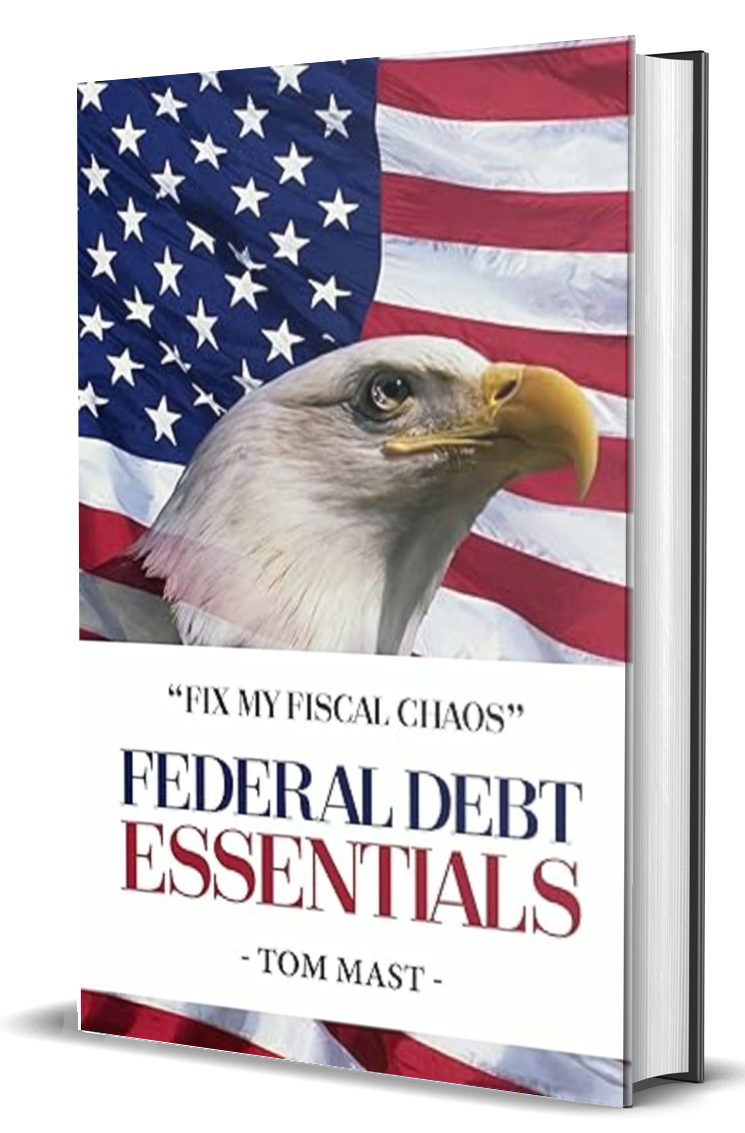
In Federal Debt Essentials: What Every Citizen Should Know, Tom Mast explains how federal borrowing works, why investor confidence matters, how rising interest costs can strain the federal budget, and what could happen if America waits too long to correct its fiscal course.
The book helps citizens understand why federal debt is not merely a government accounting issue. It is a national financial concern with consequences that can eventually reach every household.